Ferrari cold start meaning is something many car enthusiasts hear but don’t fully understand. If you’ve ever watched a supercar video, you’ve likely heard the term “cold start” used when a Ferrari is started for the first time after sitting for a while. Ferrari cold start meaning is often misunderstood, but it plays an important role in both performance and engine health. By allowing the engine to properly warm up, drivers can reduce wear and ensure long-term reliability. Understanding this process not only improves ownership experience but also helps maintain the performance Ferrari is known for.
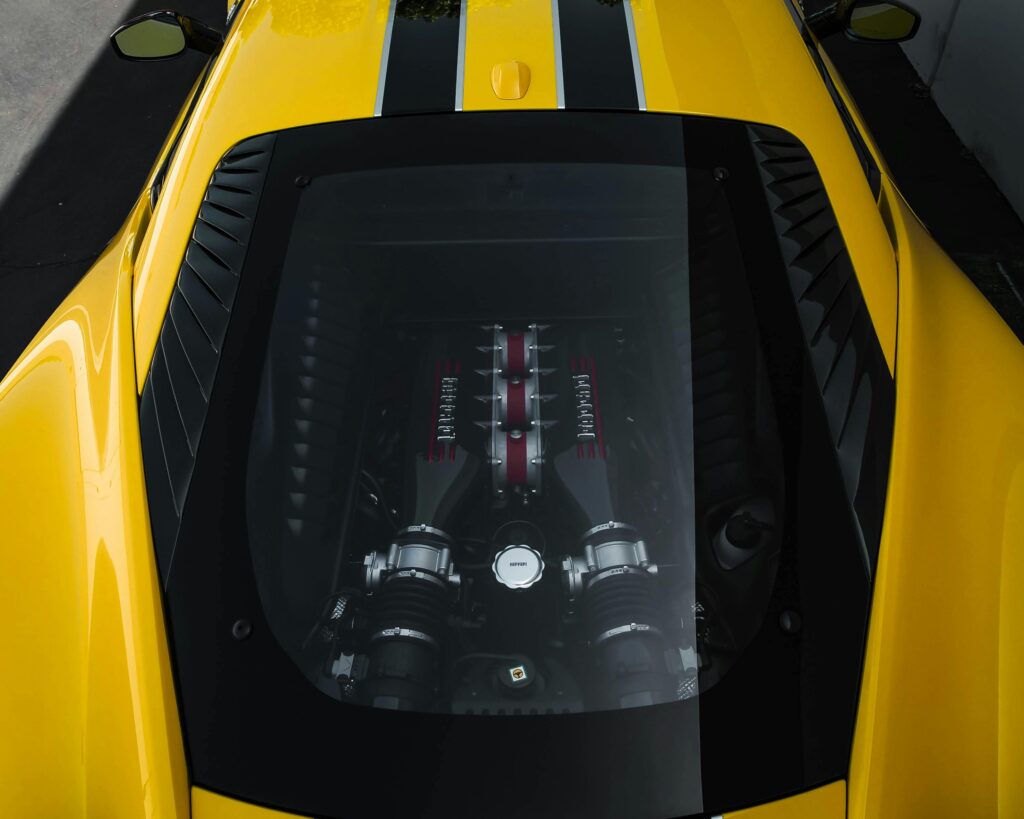
A Ferrari cold start refers to starting the engine when it is completely cold, which causes the car to run at higher RPMs temporarily and produce a louder, more aggressive sound.
🔧 What Happens During a Ferrari Cold Start?
When you start a Ferrari after it has been sitting, the engine oil is not fully circulated yet. Because of this, the engine needs to warm up before operating normally.
During a cold start:
- The engine runs at higher RPMs
- Fuel mixture is richer
- Exhaust sound is louder
- Engine temperature begins to rise
This process helps protect the engine and ensures proper performance once it reaches operating temperature.
🔊 Why Ferrari Cold Starts Are So Loud
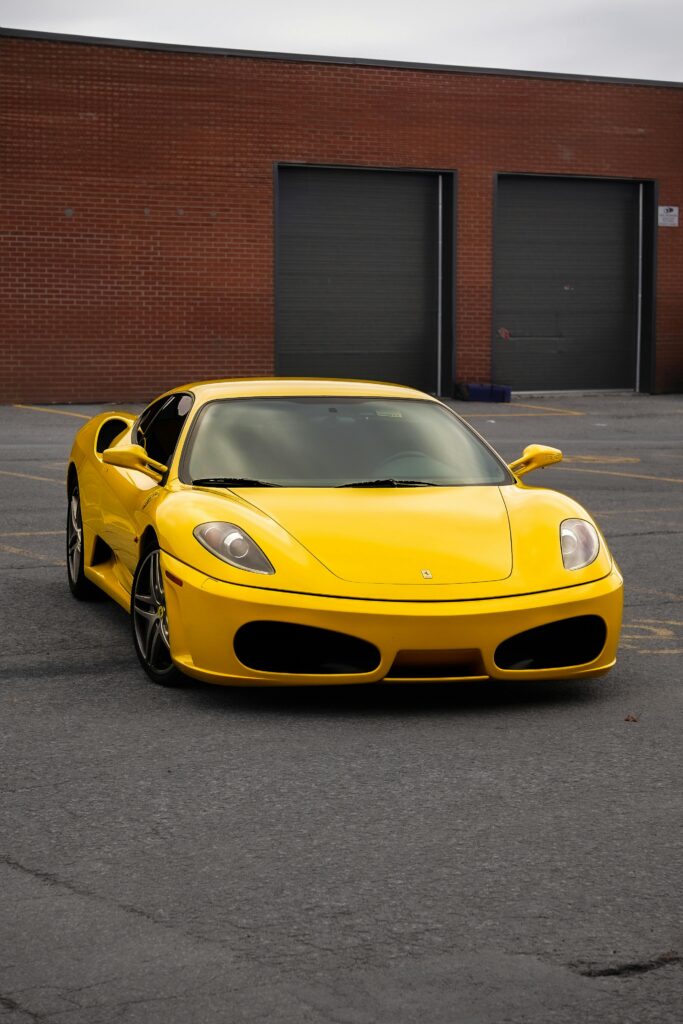
Ferrari cold starts are known for being extremely loud, especially compared to normal cars.
This happens because:
- The exhaust valves are fully open
- The engine is running richer fuel
- RPM is higher than usual
Ferrari engineers design the car this way to optimize performance and reduce emissions during startup.
If you enjoy Ferrari sound comparisons, check out our
Ferrari V12 vs Lamborghini V10 Sound – Which Is Better?.
🏎️ Is a Cold Start Bad for a Ferrari?
A cold start is completely normal and necessary, but how you drive after startup matters.
Best practices:
- Let the engine warm up for a few minutes
- Avoid aggressive acceleration immediately
- Drive gently until temperatures stabilize
This helps extend engine life and maintain performance.
⚔️ Ferrari vs Lamborghini Cold Start
Ferrari cold start meaning becomes even more interesting when compared to Lamborghini.
Ferrari:
- Higher-pitched startup
- Smoother sound profile
Lamborghini:
- Louder and more aggressive
- Deeper exhaust tone
If you want to hear the difference, check out
Ferrari Cold Start Meaning (Explained + Why It’s So Loud).
⚙️ Cold Start and Engine Longevity
Understanding Ferrari cold start meaning is important not just for sound, but for long-term engine health. When the engine is cold, internal components have not yet expanded to their optimal operating tolerances. This means parts like pistons, cylinders, and bearings need a short warm-up period to function efficiently.
Driving aggressively during a cold start can increase wear over time, especially in high-performance engines like those found in Ferrari models. That’s why manufacturers recommend letting the car idle briefly before driving and keeping RPMs low until the engine reaches normal temperature.
Cold starts also play a role in emissions control. Modern Ferraris are designed to meet strict regulations, and the temporary increase in RPM and fuel helps the catalytic converters heat up faster.
By understanding Ferrari cold start meaning and following proper warm-up habits, owners can protect their engine, maintain performance, and extend the life of their supercar.
📊 Why Cold Starts Matter for Performance
Cold starts are not just about sound — they play an important role in engine health.
They help:
- Circulate engine oil
- Warm up components
- Prepare the engine for full performance
Skipping proper warm-up can lead to long-term wear.
🔚 Final Verdict
Ferrari cold start meaning is simple but important. It refers to starting the engine when it is cold, which causes higher RPMs, louder sound, and a brief warm-up period.
Understanding how cold starts work helps you appreciate Ferrari engineering and ensures you take proper care of the car.
For official Ferrari engine details, visit Ferrari’s official website.
Pingback: Why Ferrari Is the Ultimate Dream Car
Pingback: Ferrari vs Lamborghini 0–60 – Which Is Actually Faster?